Jobs & training
Stable work in our crafts workshops. Training that builds an income of its own.
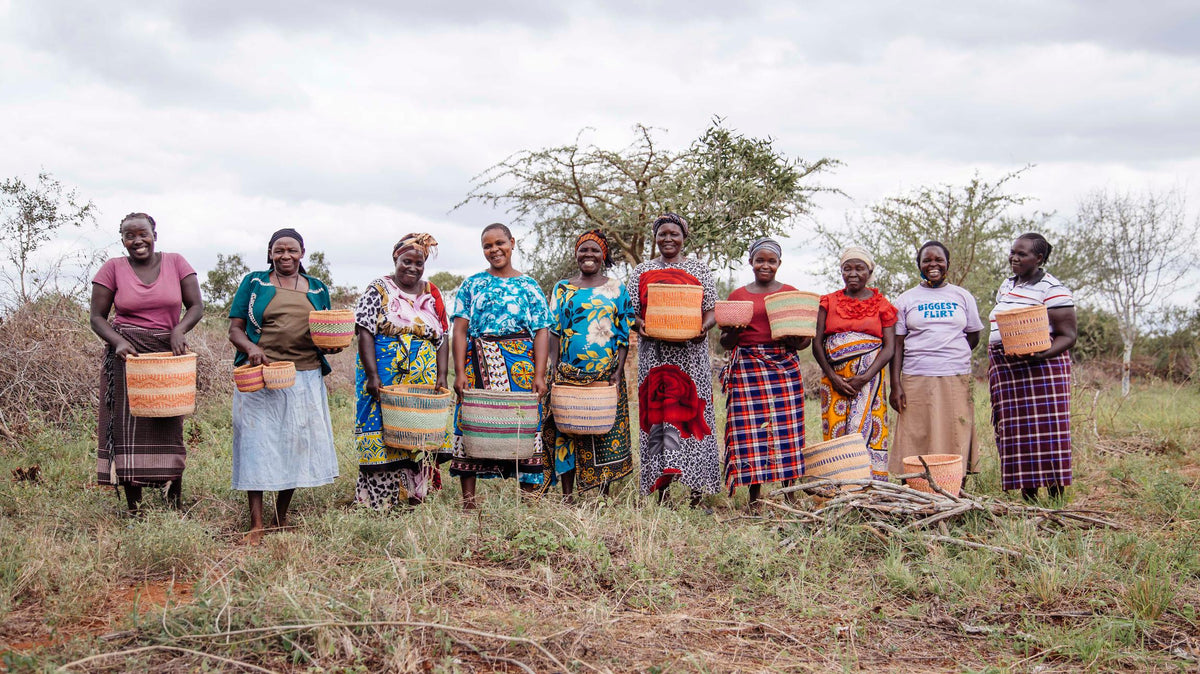
1. An income through crafts
In Peru and Kenya, women make knitwear and homeware for brands around the world.
Our Peruvian workshop has been WFTO certified since 2017. Our Kenyan partner, Hadithi Crafts Support CBO, which works with local women’s groups, is in the process of obtaining it too. WFTO checks us against 10 principles of fair trade: fair pay, safe conditions, no child labour, respect for the environment and more. We’ve also gone through all 10 with our artisans, one by one, so they know what they’re entitled to and what to ask if something doesn’t add up.
[+XXX] women currently earn a stable income in our workshops.
Next to fair work, we run social programmes that remove the barriers keeping poverty in place.
Our difference
We combine fair work with social support
Real change needs more than just a job, or just help. It needs both. Work and training that open doors. Support that removes the barriers.
And we know who to start with: women and youngsters. People who have the potential to uplift their whole community — while protecting the most vulnerable along the way.

02 · Skill development
Many of our artisans grew up in rural communities. A workshop with deadlines, colleagues and quality checks is a new world. So our training goes beyond craft.
430+ trainings for artisans and team
14 women completed a school year
20% expert knitters (Peru, 2025)
-
Craft skills.
Whether it’s knitting alpaca in Peru or weaving sisal baskets in Kenya, speed, precision and quality control decide whether a piece passes inspection. In Peru, 1 in 5 of our knitters works at expert level, and training is how the others get there.
-
Personal development.
Many of our artisans grew up in homes where violence was the usual way to settle things. Many arrive with low self-esteem. So we train what they never had the chance to learn: managing emotions, handling conflict, speaking up and taking the lead.
-
Back to school.
Teenage motherhood, violence or instability often cut school short. In Peru, where even cleaning jobs increasingly ask for a diploma, we support women in our workshop to finish their education.
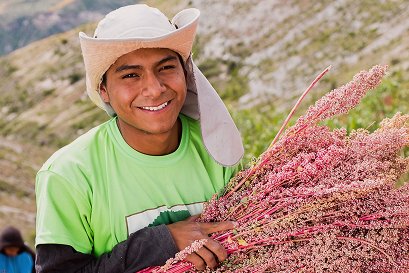
3. rural training
In the Andes, farming is hard to make a living from, so many young people leave for the city. We train farmers, young and not so young, to earn a living where they are.
5,500+ people trained at our model farm · [XX] farmers selling to Solid · [XX] enterprises started